Aviation Switching Module – NSN 4920-01-250-2696 (AS-IS / Untested): Aerospace Switching Unit for Professional Inspection
Aviation Switching Module – NSN 4920-01-250-2696 (AS-IS / Untested): Aerospace Switching Unit for Professional Inspection
Blog Article
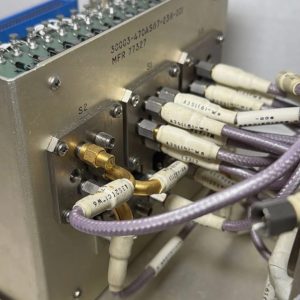
The Aviation Switching Module – NSN 4920-01-250-2696 (AS-IS / Untested) provides aviation maintenance organizations, military-surplus buyers, aerospace technicians, equipment restorers, and collectors with access to a catalog-identified switching component whose operational status has not been confirmed.
An Aircraft Switching Module and Aerospace Switching Module should be treated as specialized equipment rather than universal components that can be connected to any aircraft electrical system.
An Aircraft Electrical Switching Module, Aviation Electrical Control Module, Aircraft Power Switching Module, Aerospace Electrical Control Unit, and Aircraft Signal Switching Module may describe related switching or control functions, but the exact purpose of check here this NSN should be verified before use.
The Aviation Control Module may be associated with a larger Aircraft Electronic Switching System, while the Aerospace Switching Unit and Aircraft Electrical Module should be inspected before connection or installation.
Overview of the Aviation Switching Module
The National Stock Number provides an important catalog reference that can help buyers research the item’s supply history, technical identity, related part numbers, and possible equipment application.
Military or aviation-surplus components may carry replacement numbers, superseded numbers, modification markings, or contract identifiers that assist research.
Buying an Untested Aviation Module
The buyer should plan for professional inspection, troubleshooting, repair, parts replacement, or display-only use.
A current-limited and controlled test setup may be appropriate when selected by qualified personnel.
Evaluating Aircraft Switching Functions
The product page should avoid assigning a cockpit, power-distribution, test-set, or mission-system function without evidence.
Each visible feature should be photographed and described without assuming its electrical purpose.
Aerospace Switching Module Construction
Careful exterior evaluation can reveal evidence of previous use or damage before the unit is opened.
Protective caps should remain installed during storage and shipping when available.
Electrical Switching Module Condition
Discoloration near connectors or switches may indicate electrical heat, chemical exposure, or ordinary aging and should be investigated.
Seals, labels, inspection marks, tamper indicators, and original component arrangements may have historical or technical value.
Aircraft Electrical Control Applications
An Aviation Electrical Control Module can coordinate or select electrical functions within a compatible aviation or support-equipment system, depending on its documented design.
Missing labels or faded markings can make operation difficult and may increase the risk of improper testing.
Evaluating Aerospace Power Hardware
An Aircraft Power Switching Module may connect, disconnect, select, or manage compatible electrical power circuits when designed for that function.
Missing covers or barriers may expose conductive points and increase handling risk.
Choosing an Aerospace Electrical Control Unit
Troubleshooting requires a logical sequence based on technical information rather than random power application.
Detailed records support the long-term value of the Aerospace Electrical Control Unit.
Maintaining Aircraft Interface Hardware
An incorrect connection may damage sensitive electronics even when the module itself receives little power.
A complete accessory inventory improves the commercial presentation of the Aircraft Signal Switching Module.
Aviation Control Module Applications
Buyers should determine whether they need a direct replacement, restoration item, training aid, or parts source.
A matching NSN or housing does not always confirm identical internal configuration when modifications or supersessions exist.
Restoring Aviation Switching Hardware
A complete but untested unit may have different value from an incomplete component known to contain damage.
Responsible educational use can extend the value of the Aircraft Switching Unit.
Aerospace Circuit Management
Power distribution equipment may use switches, relays, terminals, bus structures, circuit protection, and control interfaces depending on design.
The original installation orientation should be researched where possible.
Control Unit Connector and Switch Review
Dust and surface dirt can often be removed carefully, but aggressive cleaning may damage labels, seals, finishes, or electrical parts.
Unknown circuits should not receive voltage simply because a connector pin appears to be a power input.
Untested Aviation Power Equipment
An Aviation Power Control Module can have specialized applications within aircraft systems, aerospace ground equipment, maintenance platforms, or test installations.
Power-control components may retain electrical energy or contain circuits requiring special handling depending on internal design.
Aviation Switching System Troubleshooting
A systems approach supports more accurate troubleshooting and restoration.
Intermittent switching problems can result from worn contacts, damaged connectors, corrosion, weak relays, cracked solder joints, unstable power, or harness faults.
Preserving Military Aviation Equipment
Desiccant or moisture-control materials should not contact electrical components directly unless appropriate.
Insured and trackable transportation supports responsible sales of specialized aviation hardware.
Evaluating Surplus Aerospace Equipment
An Aircraft Electrical Module should be purchased according to exact identity, intended use, condition, completeness, technical support, testing requirements, and available documentation.
Transparent disclosure strengthens trust in an Aircraft Electrical Module transaction.
Untested Aviation Equipment Condition Checklist
The seller should disclose corrosion, missing parts, broken controls, damaged connectors, previous repairs, opened seals, burned areas, contamination, and signs of impact.
- Confirm that the identification plate shows NSN 4920-01-250-2696 and record every manufacturer number, serial number, contract marking, revision, and modification label.
- Check for burned odors, melted material, arcing marks, water entry, chemical residue, and internal loose components where visible.
- Require packaging that protects connectors, switches, labels, enclosure corners, mounting brackets, controls, and loose accessories from movement and impact.
Professional Bench Evaluation
A qualified technician may use controlled and current-limited equipment appropriate to the module design.
Initial evaluation may include mechanical switch checks, continuity testing, insulation inspection, resistance measurements, and examination for shorts or damaged components.
Documenting Aviation Electronics Restoration
Restoration should begin with condition documentation, careful cleaning, technical research, component identification, fault isolation, and repair planning.
The final product status should describe only the functions that were evaluated successfully.
Choosing the Aviation Switching Module – NSN 4920-01-250-2696 (AS-IS / Untested)
The Aviation Switching Module – NSN 4920-01-250-2696 (AS-IS / Untested) offers stronger commercial appeal when its markings, controls, connectors, enclosure, accessories, history, and limitations are documented accurately.
Buyers should request detailed photographs, accurate AS-IS disclosures, technical research, secure transaction terms, protective shipping, and qualified evaluation where appropriate.
Whether the item is purchased for restoration, training, parts recovery, display, testing, inventory, or professional repair, transparent information and controlled handling provide the strongest foundation.
With transparent condition reporting, secure shipping, controlled testing, appropriate repair methods, and accurate records, the unit can support a professional aerospace project.
Report this page